Mental Health
Safe spaces, real conversations, professional care.
Counselling, school-based awareness and safe spaces for Ugandans navigating depression, trauma, GBV and the everyday weight of poverty.
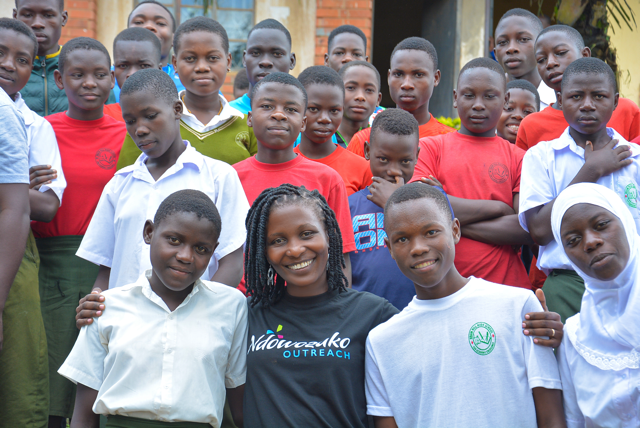
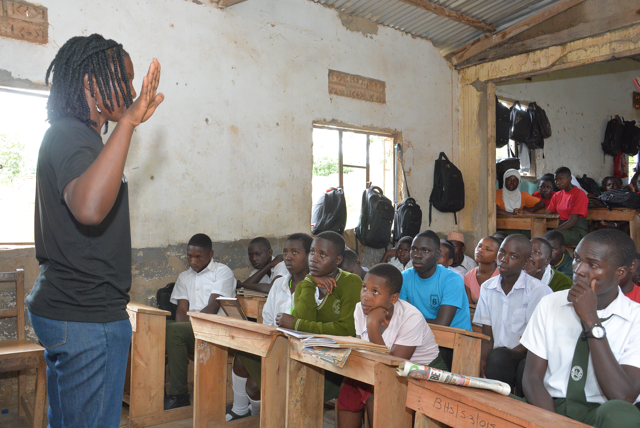
Mental health remains one of the most stigmatised health issues in Uganda — often dismissed as weakness, witchcraft, or simply ignored until someone is in crisis. Our program meets people long before that point, in the places they already gather: schools, churches, mosques, markets and workplaces.
Trained counsellors and psychiatric nurses run group sessions, one-on-one counselling and peer-support circles, with confidential referrals to Butabika and partner clinicians for those who need pharmacological care. We pay particular attention to adolescent girls, survivors of gender-based violence, refugees in settlements like Nakivale and Kyangwali, and frontline health workers themselves.
Our facilitators speak in Luganda, Runyankole, Lusoga, Acholi and English — because mental health conversations only work in the language of the heart.
What you'll find on the ground
- School-based awareness, life skills & anti-stigma sessions
- One-on-one and group counselling in local languages
- Peer support circles for survivors of GBV
- Wellbeing check-ins for nurses, midwives and community health workers
Our approach
How we deliver this program in Ugandan communities — step by step.
- 1
Open the conversation
Awareness sessions in schools and faith communities to normalise mental health and reduce stigma.
- 2
Listen one-to-one
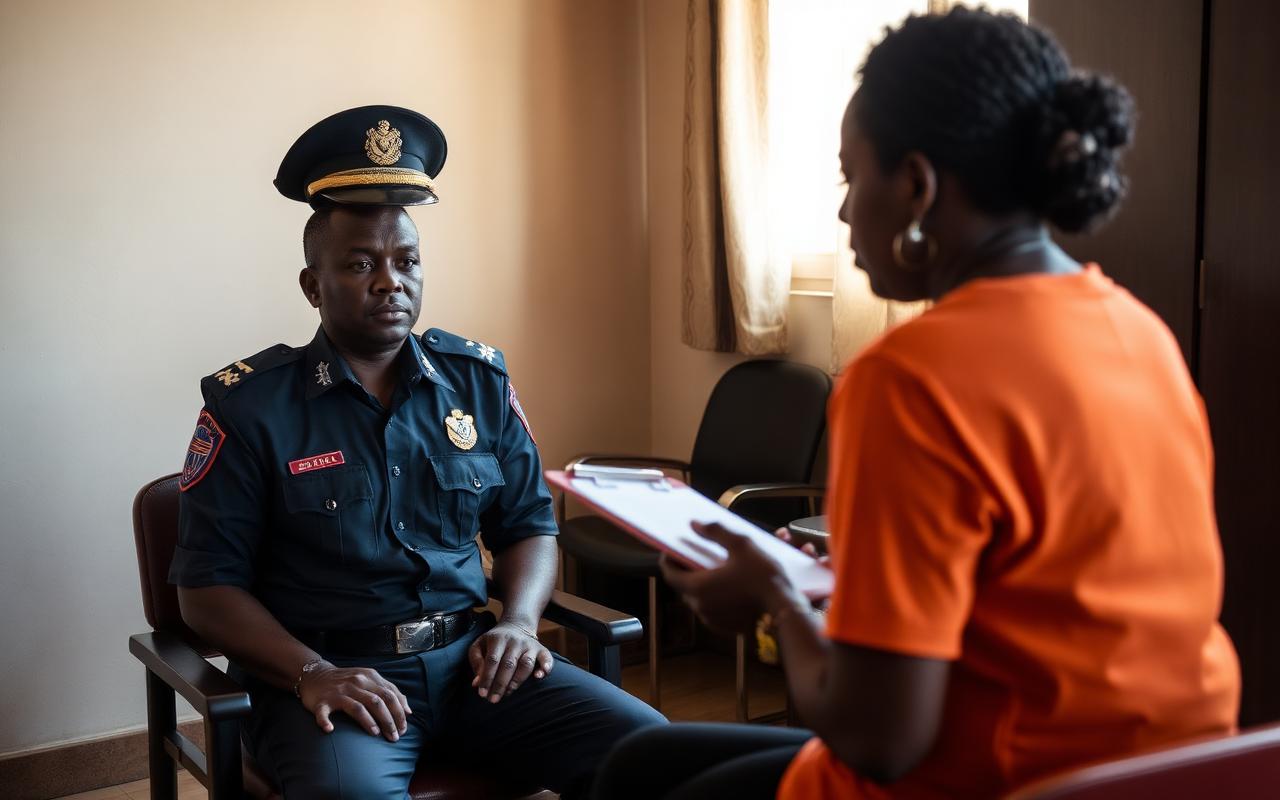
Confidential counselling delivered in the local language, in a setting chosen by the client.
- 3
Build peer support
Trained peer-support groups for survivors of GBV, youth, and people living with HIV.
- 4
Refer for clinical care
Warm hand-offs to Butabika, regional referral hospitals and partner psychiatrists where needed.
“I had carried this for fifteen years. The first time I told someone, I cried for an hour. Now I lead a support group for other women.”